231/1 · BIOLOGY (Theory) · Paper 1 · Nov. 2023 · 2 hours
Instructions: Answer all the questions in the spaces provided.
1. Name the disease caused by the following micro-organisms: (a) Entamoeba histolytica; (1 mark) (b) Plasmodium ovale. (1 mark)
2. (a) State two sites in animals where counter-current flow of fluids occurs. (2 marks)
(b) Explain the significance of the counter-current flow system in living organisms. (2 marks)
3. The following diagram represents parts of the female reproductive system.
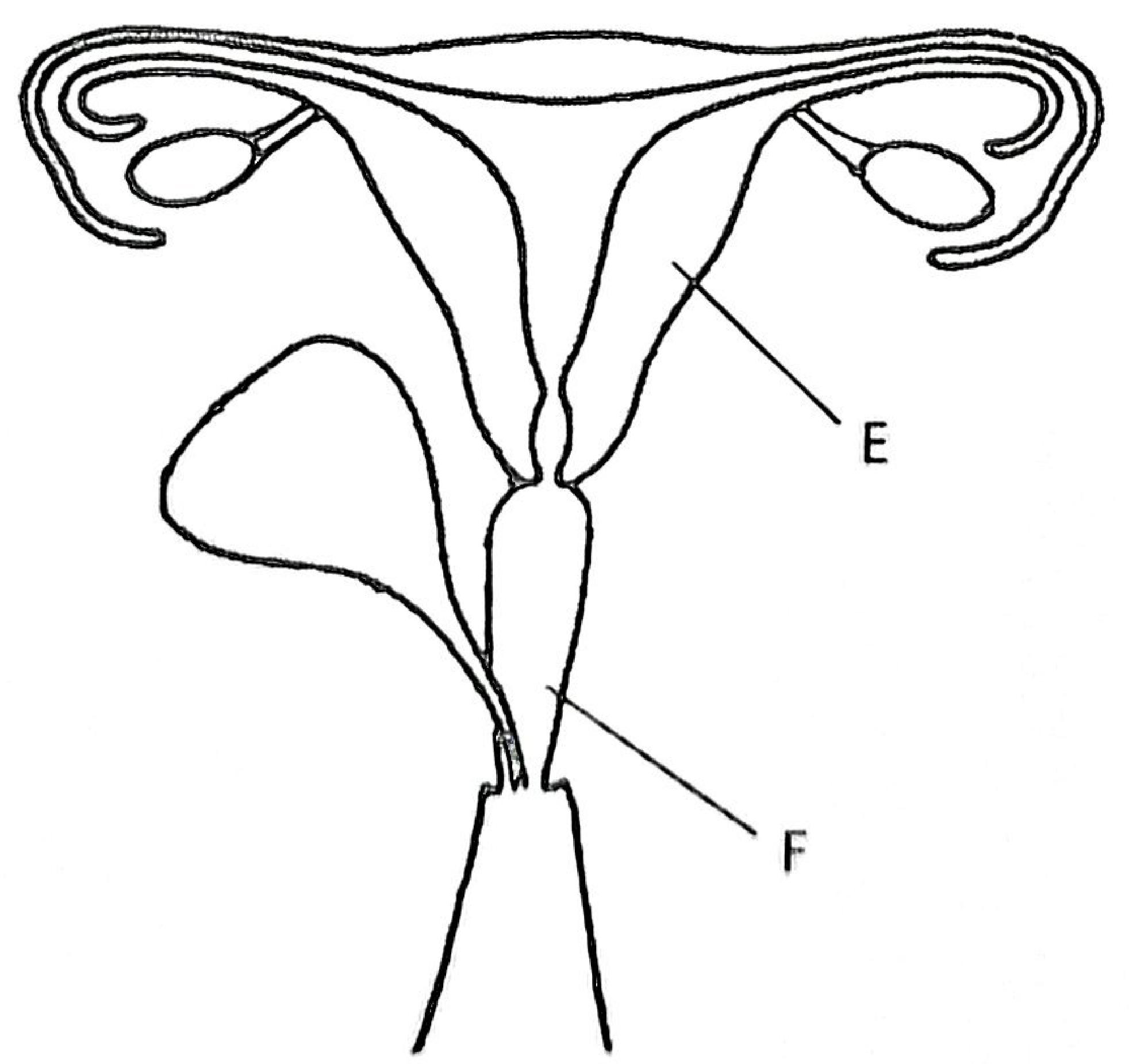
(a) Identify the part labelled F. (1 mark)
(b) Explain the structural adaptation of the part labelled E to its function. (2 marks)
(c) Use letter H to label on the diagram the part where ectopic pregnancy is likely to occur. (1 mark)
4. The following diagram represents a skull of a certain mammal.
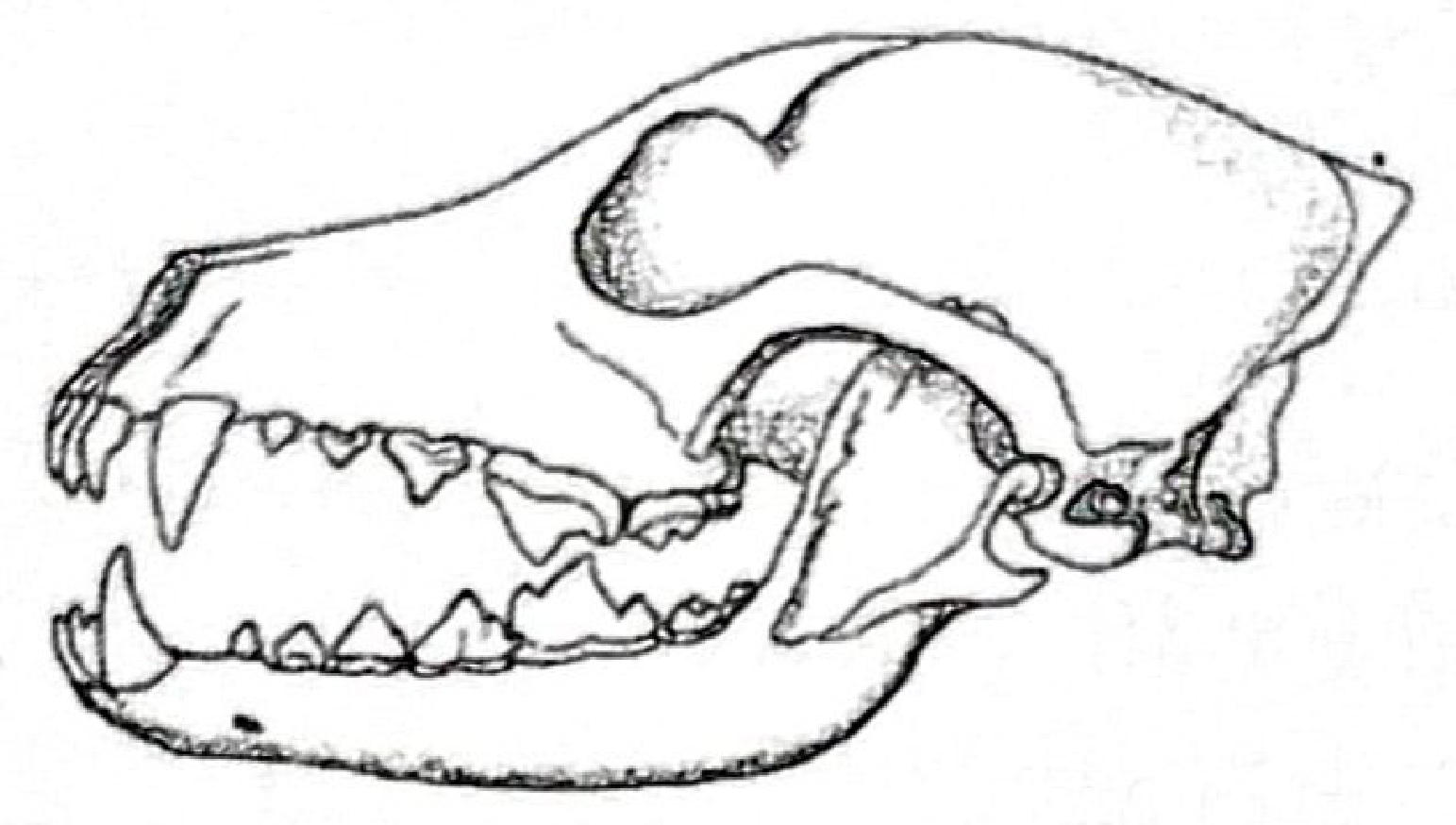
(a) State the likely mode of nutrition for the animal from which the skull was obtained. (1 mark)
(b) Explain your answer in 4(a). (2 marks)
5. Students observed that the smell from a decomposing animal carcass was stronger at mid-day than early in the morning.
(a) Name the physiological process by which the smell reached the students. (1 mark)
(b) Account for the observation made by the students. (2 marks)
6. State two ways in which sweating is significant to the human body. (2 marks)
7. State three characteristics of the Kingdom Monera that are not found in the Kingdom Animalia. (3 marks)
8. The following diagram illustrates a setup to investigate a certain physiological process. The setup was left undisturbed for 10 minutes.
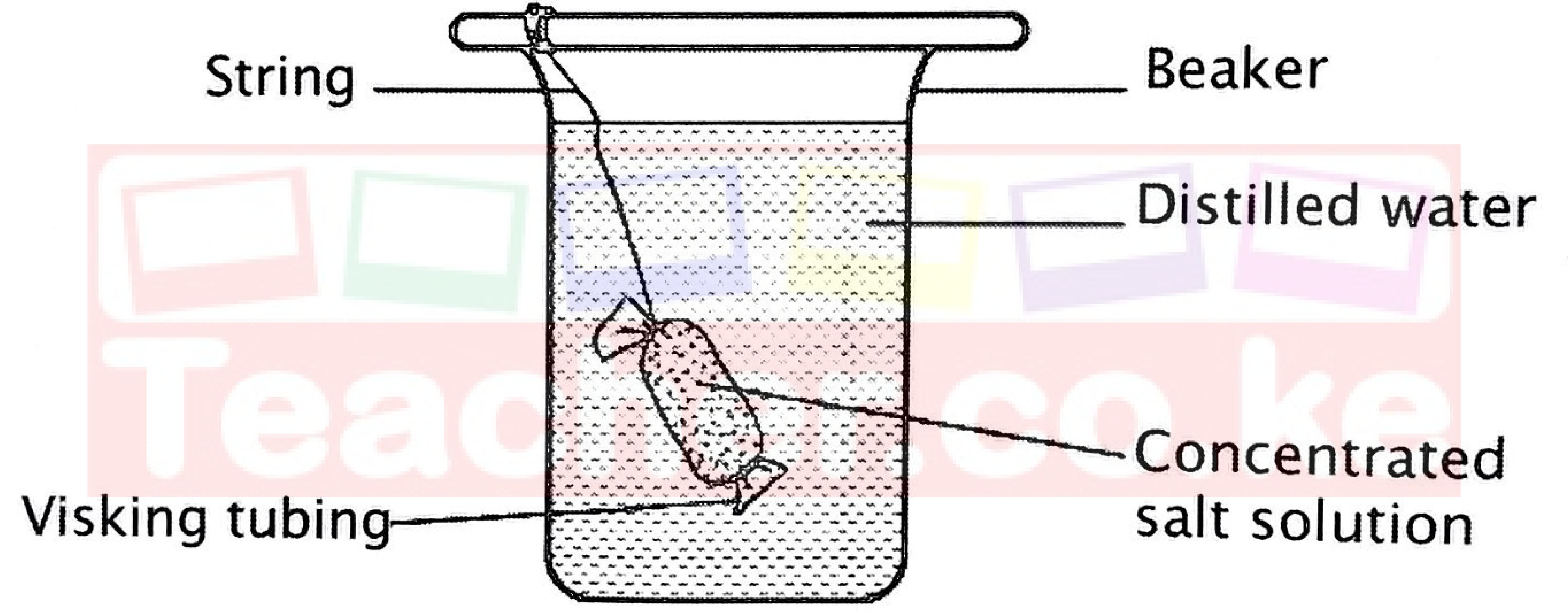
(a) Name the physiological process under investigation. (1 mark)
(b) State the observations made after 10 minutes. (2 marks)
(c) Account for the observation made in 8(b). (2 marks)
9. In a genetics study, a pure breeding black bull was crossed with a pure breeding white heifer. All the offspring were black.
(a) Account for the black colour phenotype in all the offspring. (1 mark)
(b) Work out the genotypic ratio of the offspring if the pure breeding black bull was crossed with a female heterozygous for colour. (5 marks)
10. Account for the following observations:
(a) When the pancreatic duct of a mammal is blocked, blood sugar regulation remains normal while digestion is impaired. (2 marks)
(b) Most desert animals have longer loops of Henle. (3 marks)
11. The following diagrams represent beaks of different birds.
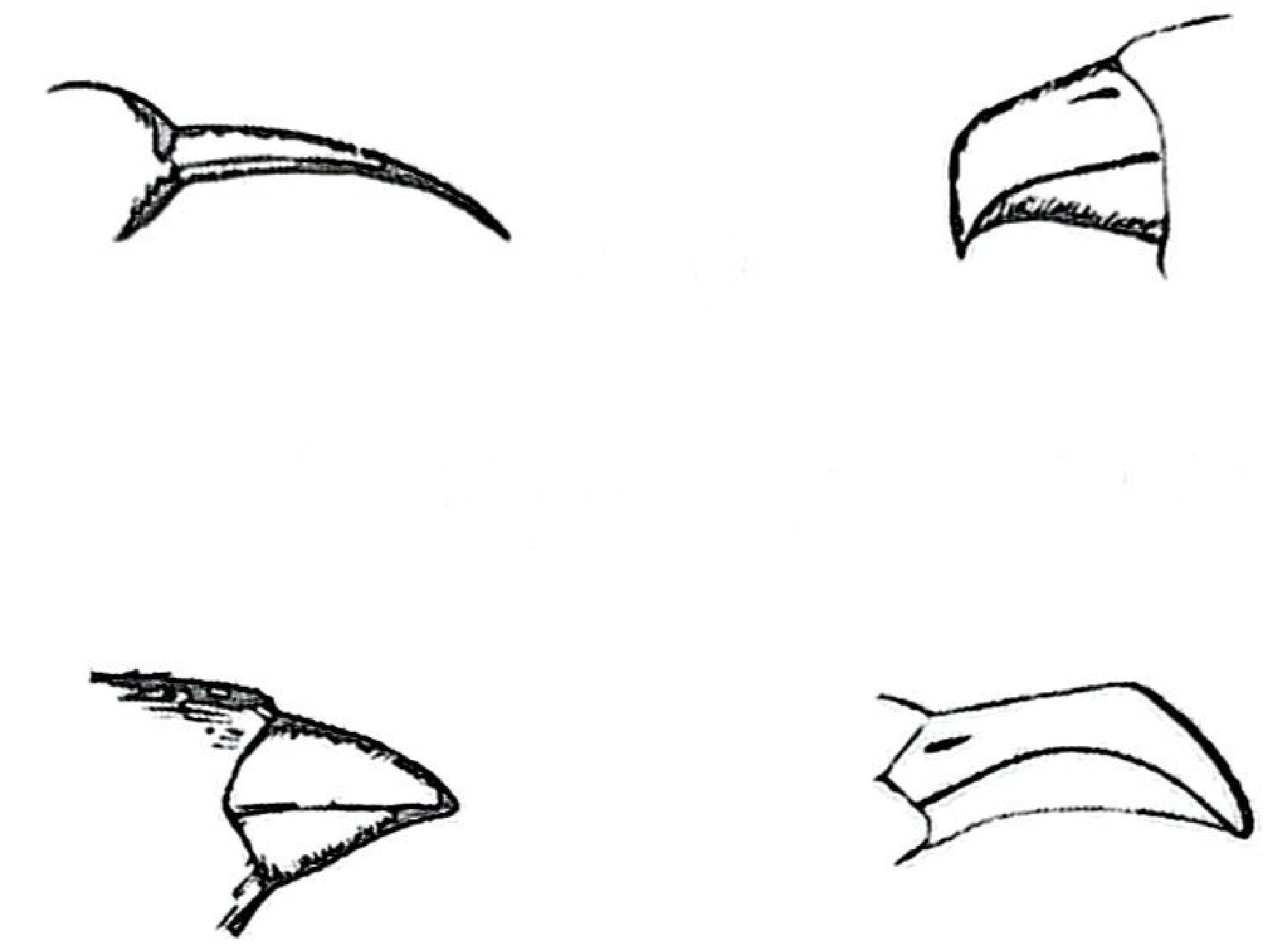
(a) State the type of evolution illustrated by the diagrams. (1 mark)
(b) Explain the significance of the type of evolution stated in 11(a). (2 marks)
12. The following equation represents a certain metabolic reaction taking place in animal cells.
(a) Name the organelle where the reaction occurs. (1 mark)
(b) (i) Calculate the respiratory quotient of the substrate being oxidised. (2 marks) (ii) Identify the substrate being oxidised in the reaction. (1 mark)
(c) State two factors, other than oxygen concentration, that can affect the rate of the illustrated reaction. (2 marks)
13. The following diagram illustrates a neurone.
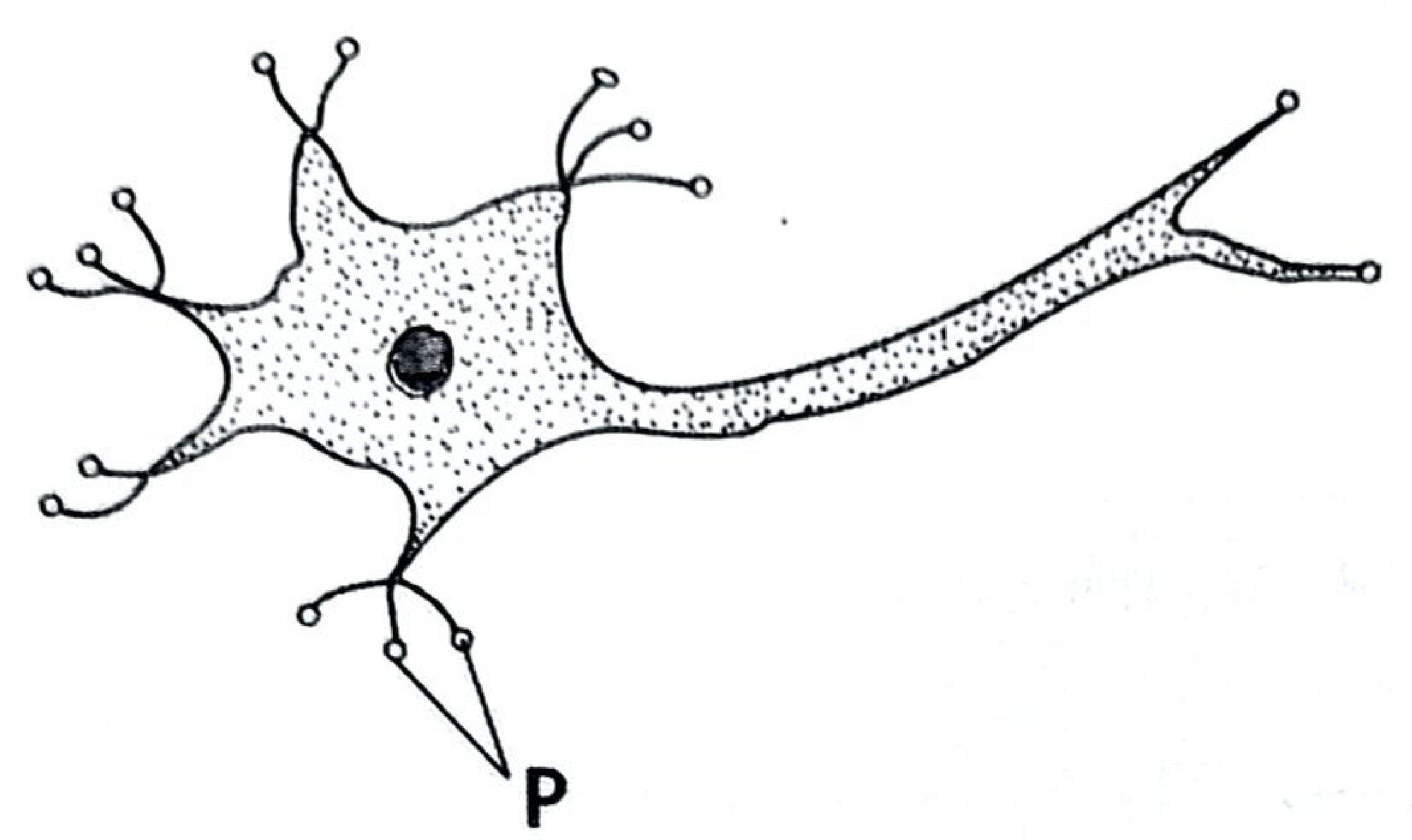
(a) (i) Identify the neurone. (1 mark) (ii) Give a reason for your answer in 13(a)(i). (1 mark)
(b) (i) Name the part labelled P on the diagram. (1 mark) (ii) State the function of the part named in 13(b)(i). (1 mark)
14. In an experiment, students added some water to a beaker containing maize flour and yeast. The beaker was covered and left on the laboratory bench undisturbed for three days.
(a) State the aim of the experiment. (1 mark)
(b) State two observations made by the students after the three days. (2 marks)
15. (a) State two characteristics likely to be observed in a 25-year-old male incapable of producing enough testosterone. (2 marks)
(b) Name one part in plants where auxins are produced. (1 mark)
16. (a) Name the branch of Biology that deals with the study of insects. (1 mark)
(b) Name one piece of apparatus one would use to collect insects for study. (1 mark)
17. (a) Distinguish between magnification and resolution as used in microscopy. (1 mark)
(b) State the significance of the following procedures during the preparation of temporary set-ups of plant tissues: (i) staining; (1 mark) (ii) making thin sections. (1 mark)
18. (a) State two means through which plants eliminate excess water. (2 marks)
(b) Explain the significance of hair on the human skin during cold weather. (3 marks)
19. The following diagram represents a stage in the mitotic division of a cell.
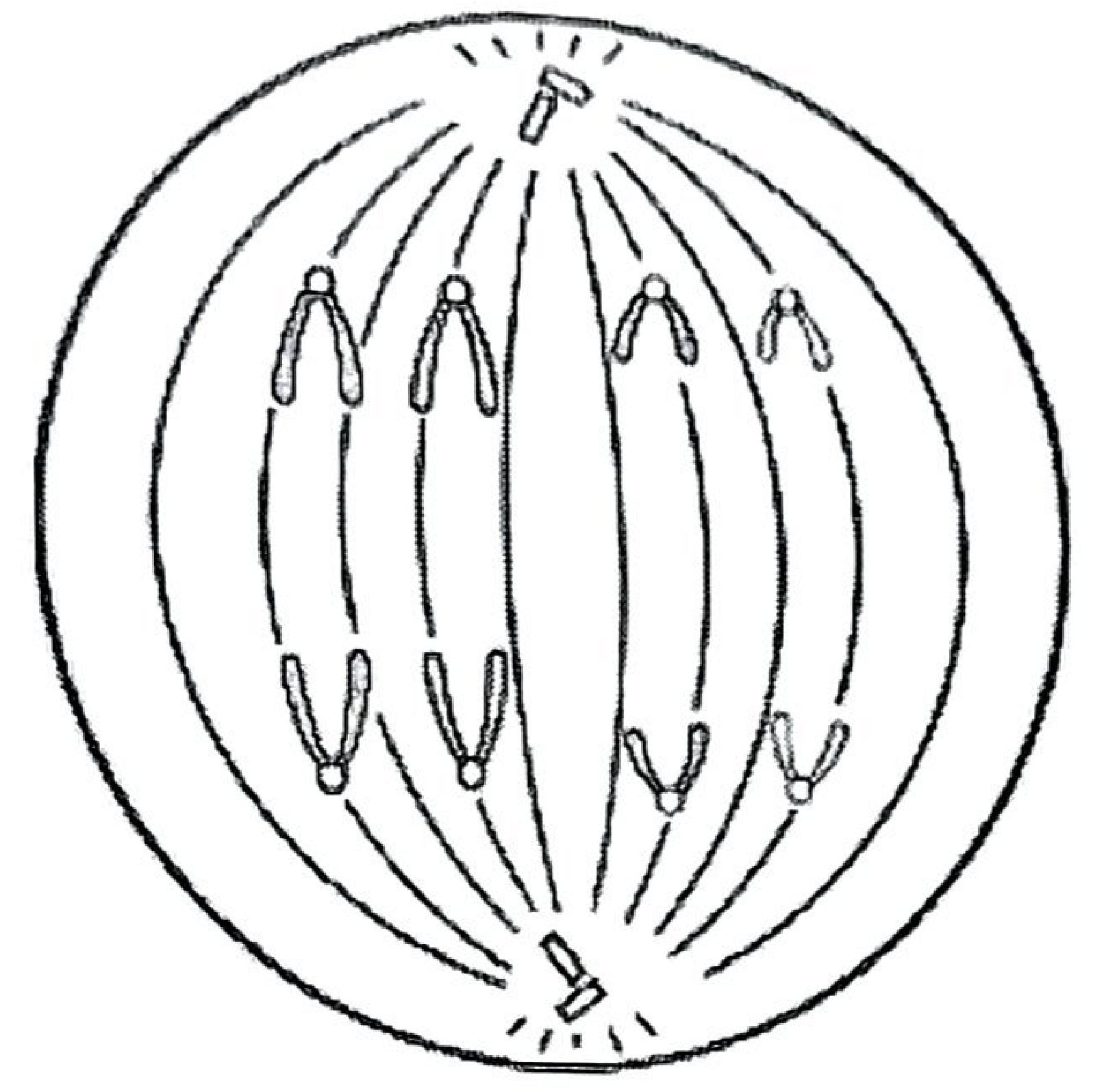
(a) (i) Identify the stage of mitosis illustrated. (1 mark) (ii) Give a reason for your answer in 19(a)(i). (1 mark)
(b) State the role of centrioles in cell division. (1 mark)
20. State the significance of each of the following characteristics of living organisms: (a) irritability; (1 mark) (b) reproduction. (1 mark)
21. The following diagram represents a mammalian tooth.
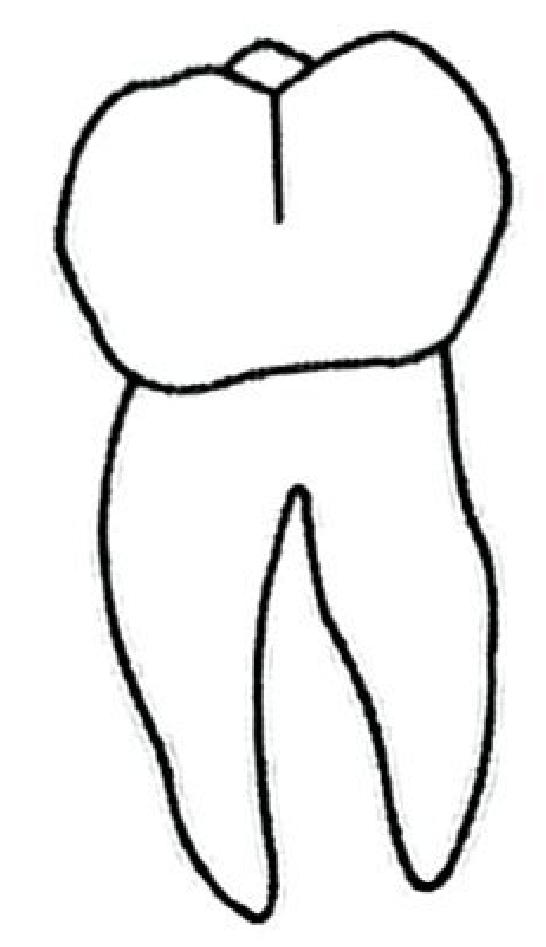
(a) Explain the structural adaptation of the tooth to its function. (2 marks)
(b) How does drinking cold water immediately after a meal affect digestion? (2 marks)
22. Explain the concept of natural selection among organisms in relation to an ecosystem with insufficient food. (2 marks)
23. The following diagram represents a light microscope.
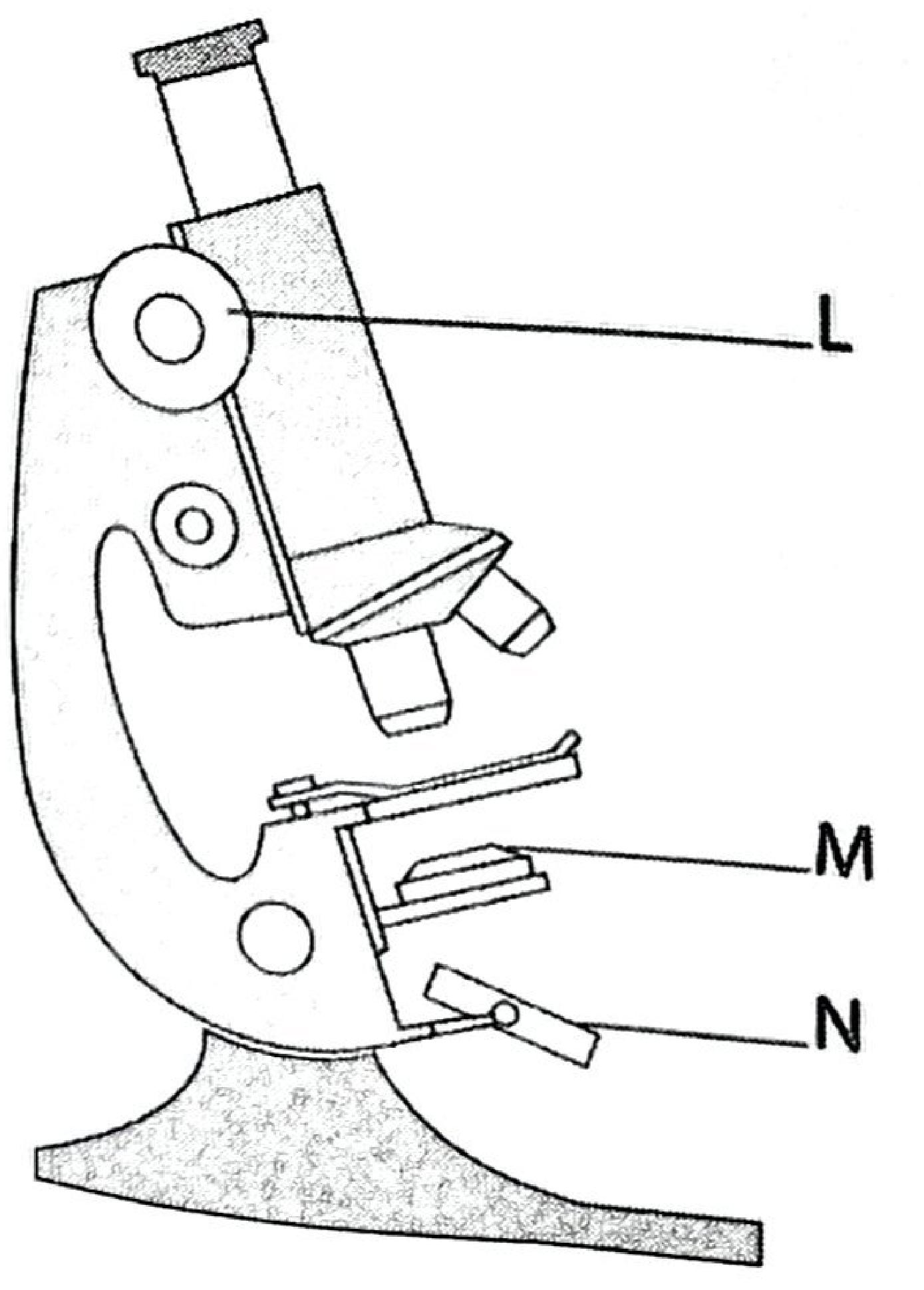
(a) Name the part labelled N. (1 mark)
(b) State the functions of the parts labelled L (1 mark) and M. (1 mark)