312/2 · GEOGRAPHY · Paper 2 · Nov. 2025 · 2¾ hours
Instructions: This paper has two sections, A and B. Answer all the questions in section A. In section B, answer question 6 and any other two questions.
Section A (25 marks)
1. (a) What is land rehabilitation? (2 marks)
(b) State three benefits of the Zuider Zee project in the Netherlands. (3 marks)
2. (a) Identify the following fishing method. (1 mark)
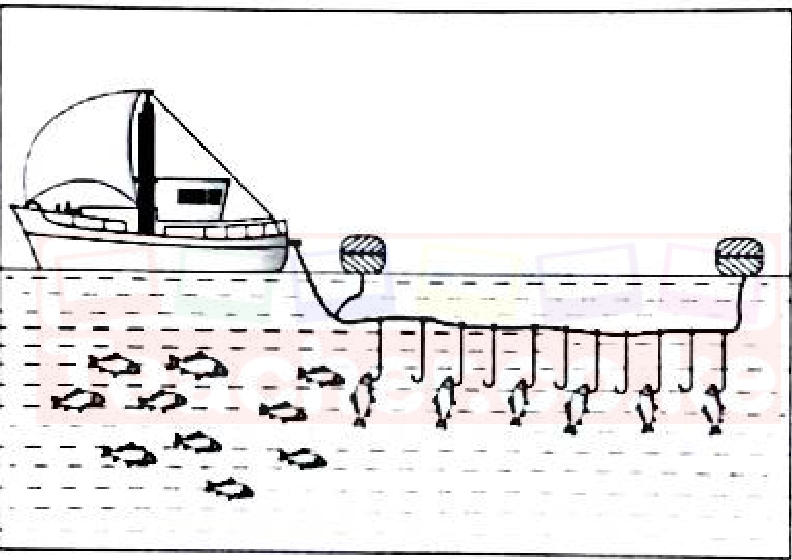
(b) Describe the basket method of fishing. (4 marks)
3. Explain how each of the following challenges facing wildlife in East Africa can be controlled: (a) poaching; (3 marks) (b) human–wildlife conflicts. (2 marks)
4. (a) State two sources of population data. (2 marks)
(b) Give three reasons for the high population density in Central Kenya. (3 marks)
5. State five ways of preventing human diseases in Kenya. (5 marks)
Section B (75 marks)
Answer question 6 and any other two questions from this section.
6. Study the following photograph and use it to answer questions (a), (b) and (c).
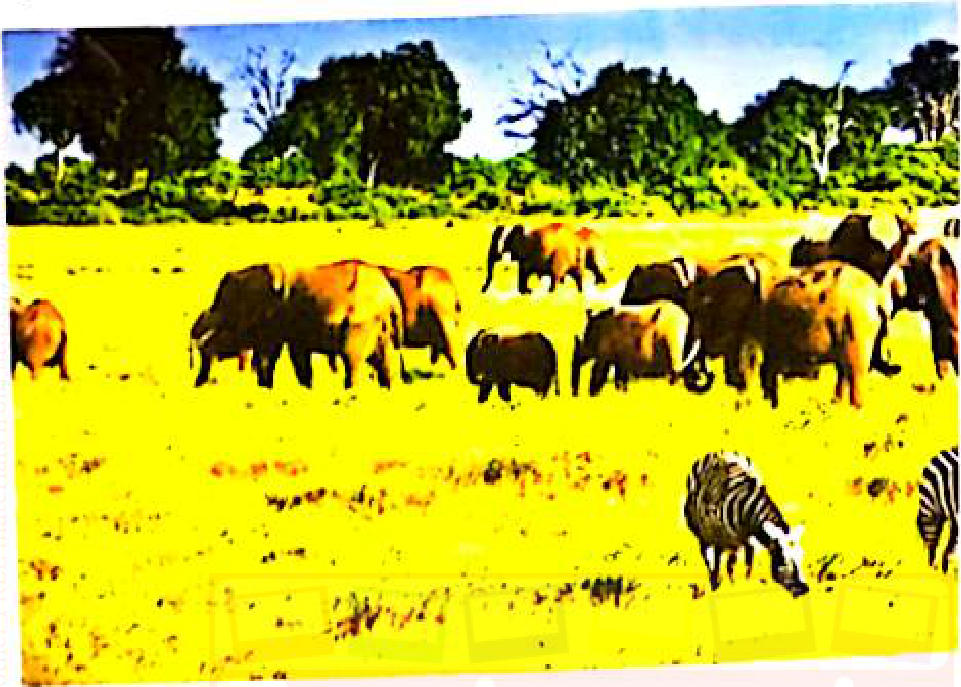
(a) (i) Identify the type of photograph shown. (1 mark) (ii) What time of the day was the photograph likely to have been taken? (1 mark) (iii) Suggest the place where the photograph is likely to have been taken from. (1 mark)
(b) (i) Draw a rectangle 15 cm by 10 cm to represent the area shown on the photograph. (1 mark) (ii) On the rectangle, sketch and label the main features shown on the photograph. (5 marks)
(c) Explain four ways that the government of Kenya uses to protect the animals shown on the photograph. (8 marks)
(d) (i) Explain how the following factors influence tourism in Kenya: I. scenery; (2 marks) II. climate. (2 marks) (ii) State four challenges faced by the tourism industry in Kenya. (4 marks)
7. (a) (i) Give three natural occurrences of minerals in the earth's crust. (3 marks) (ii) Explain how each of the following factors influences mining: I. size of mineral deposit; (2 marks) II. quality of the ore; (2 marks) III. level of technology. (2 marks)
(b) (i) Describe the open-cast method of mining. (4 marks) (ii) Explain three effects of the open-cast mining method on the physical environment. (6 marks)
(c) Outline six benefits of trona to the economy of Kenya. (6 marks)
8. (a) Give four reasons why there is low forest cover in Kenya. (4 marks)
(b) (i) State three ways in which agroforestry is carried out in Kenya. (3 marks) (ii) Outline six benefits of agroforestry in Kenya. (6 marks)
(c) (i) Name two types of forests found in Kenya. (2 marks) (ii) List two indigenous softwood trees found in Kenya. (2 marks) (iii) Give two physical factors which influence the distribution of forests. (2 marks)
(d) You intend to carry out a field study in a forest within the local environment. (i) Give three reasons why you would need to come up with clear objectives for the study. (3 marks) (ii) State three problems you are likely to encounter during the study. (3 marks)
9. (a) Explain how the following factors influence agriculture: (i) soils; (4 marks) (ii) government policy. (4 marks)
(b) (i) Give four physical conditions which favour tea growing in Kenya. (4 marks) (ii) Describe the stages of tea processing. (8 marks)
(c) Outline five ways in which the Kenya Tea Development Agency (KTDA) assists small-scale farmers in Kenya. (5 marks)
10. (a) Explain the term industrialisation. (2 marks)
(b) (i) Explain how the following factors influence the location of industries in Thika town: I. proximity to Nairobi; (2 marks) II. availability of water. (2 marks) (ii) Give three ways in which industries located in Thika town benefit from each other. (3 marks)
(c) Explain four ways through which the government of Kenya encourages the setting up of Jua Kali industries. (8 marks)
(d) Explain three human factors which favour the development of the car manufacturing industry in Japan. (6 marks)