442/1 · ART AND DESIGN · Paper 1 · Nov. 2023 · 1½ hours
Instructions: This paper consists of three sections, A, B and C. Answer all the questions in sections A and B and any one question from section C. Where drawings and diagrams are appropriate, include them in your answers.
Section A (20 marks)
1. (a) Identify the two dominant elements of art portrayed in the following illustration. (2 marks)
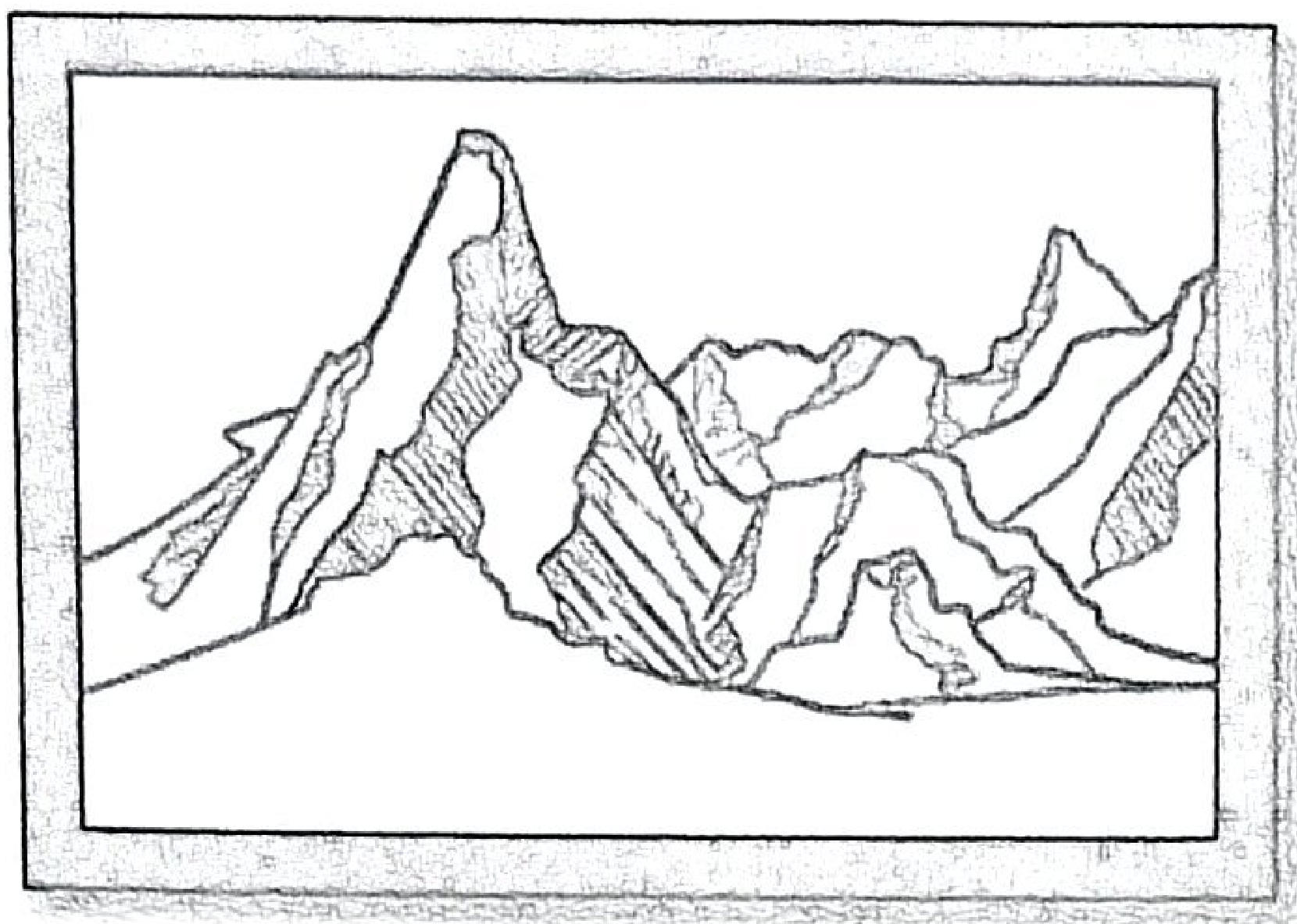
(b) In reference to the drawing, explain the term harmony. (2 marks)
(c) Describe montage as a picture-making technique. (2 marks)
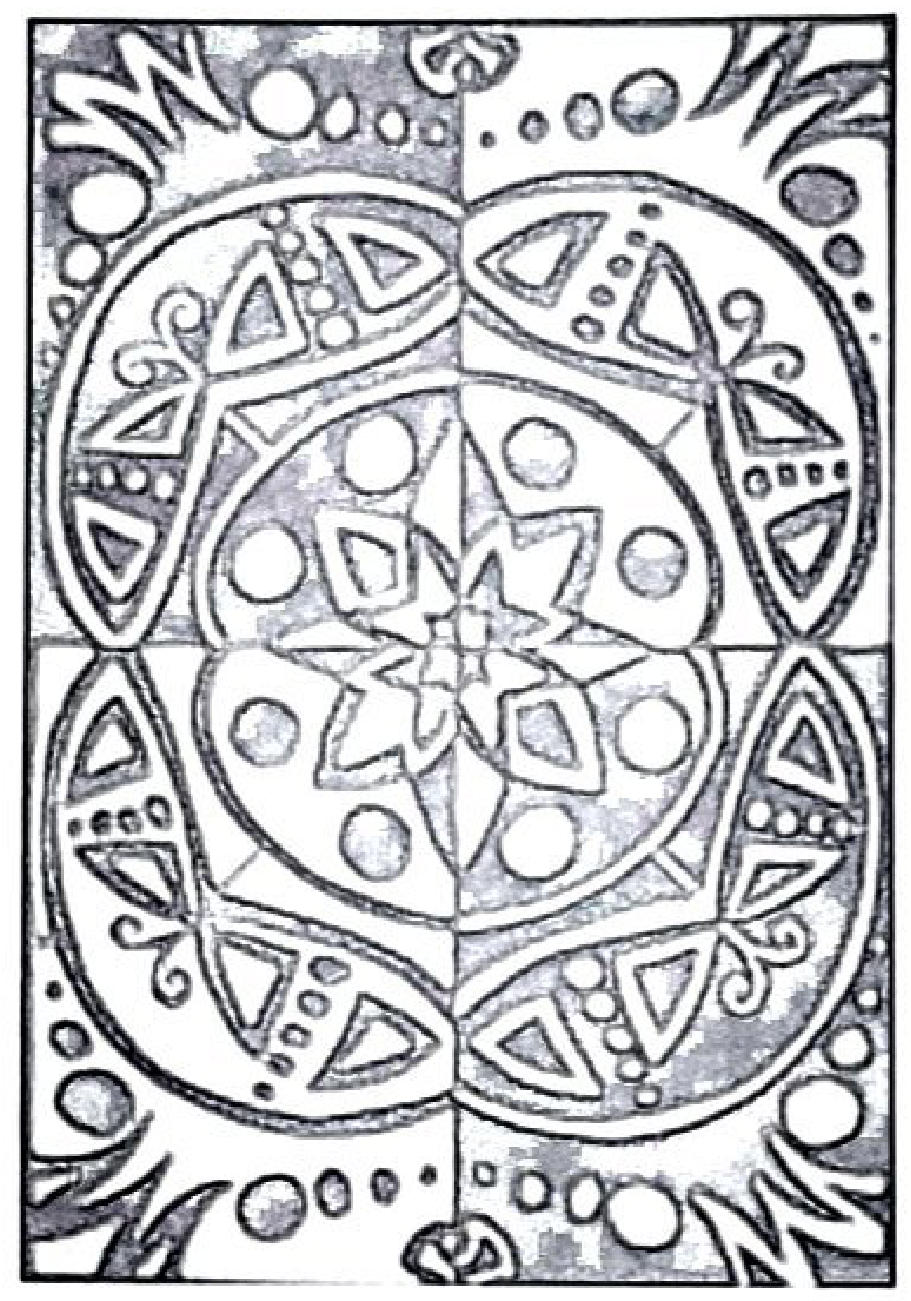
(d) Identify the type of balance in the following artwork. (2 marks)
(e) Highlight two reasons for wedging clay. (2 marks)
(f) Distinguish between modelling and construction as techniques in sculpture making. (2 marks)
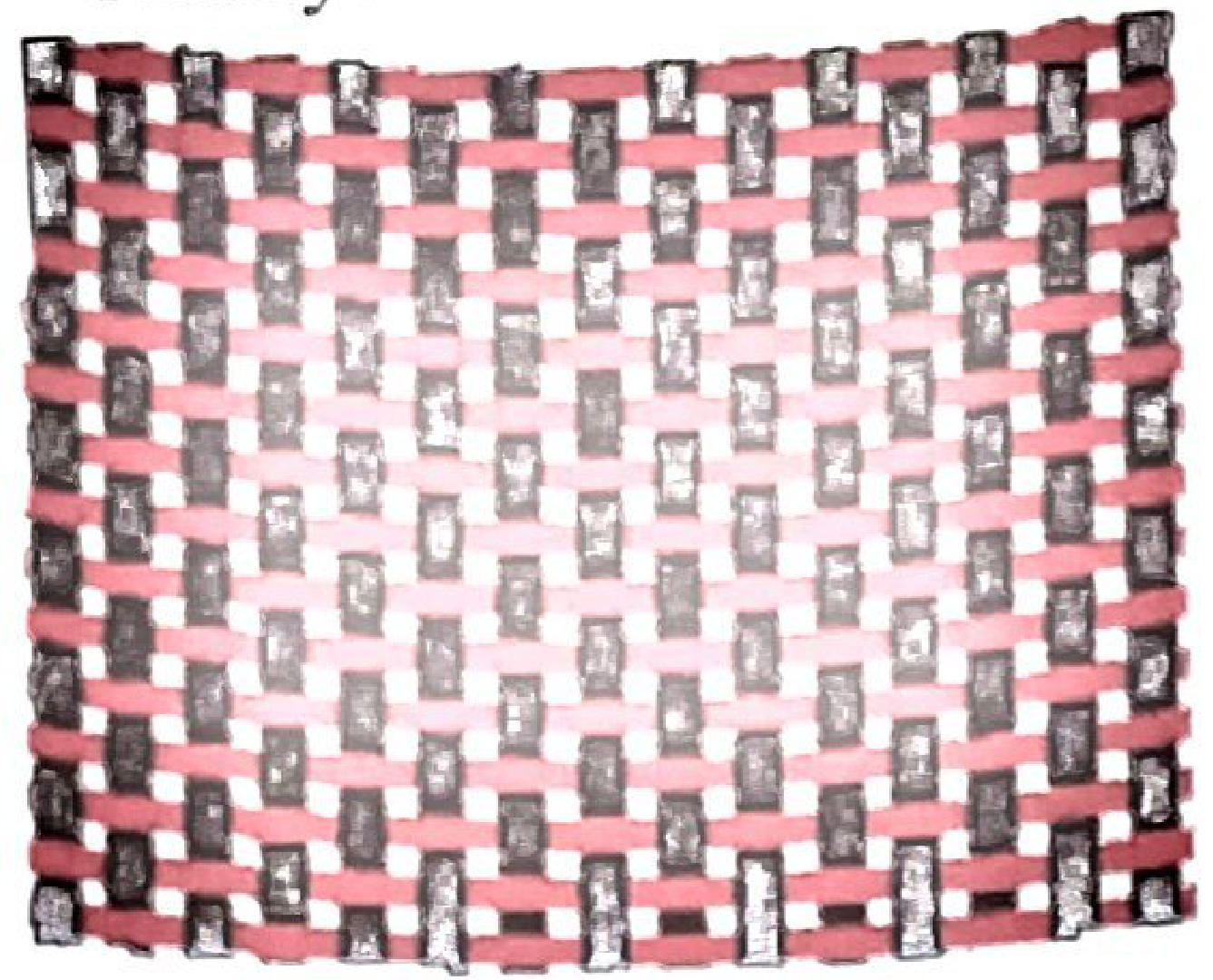
(g) Analyse the weaving process in the following illustration: (i) identify a defect; (1 mark) (ii) explain the cause of the defect. (2 marks)
(h) State how the illusion of depth is created in aerial perspective. (2 marks)
(i) Outline the importance of having a taut mesh in screen printing. (2 marks)
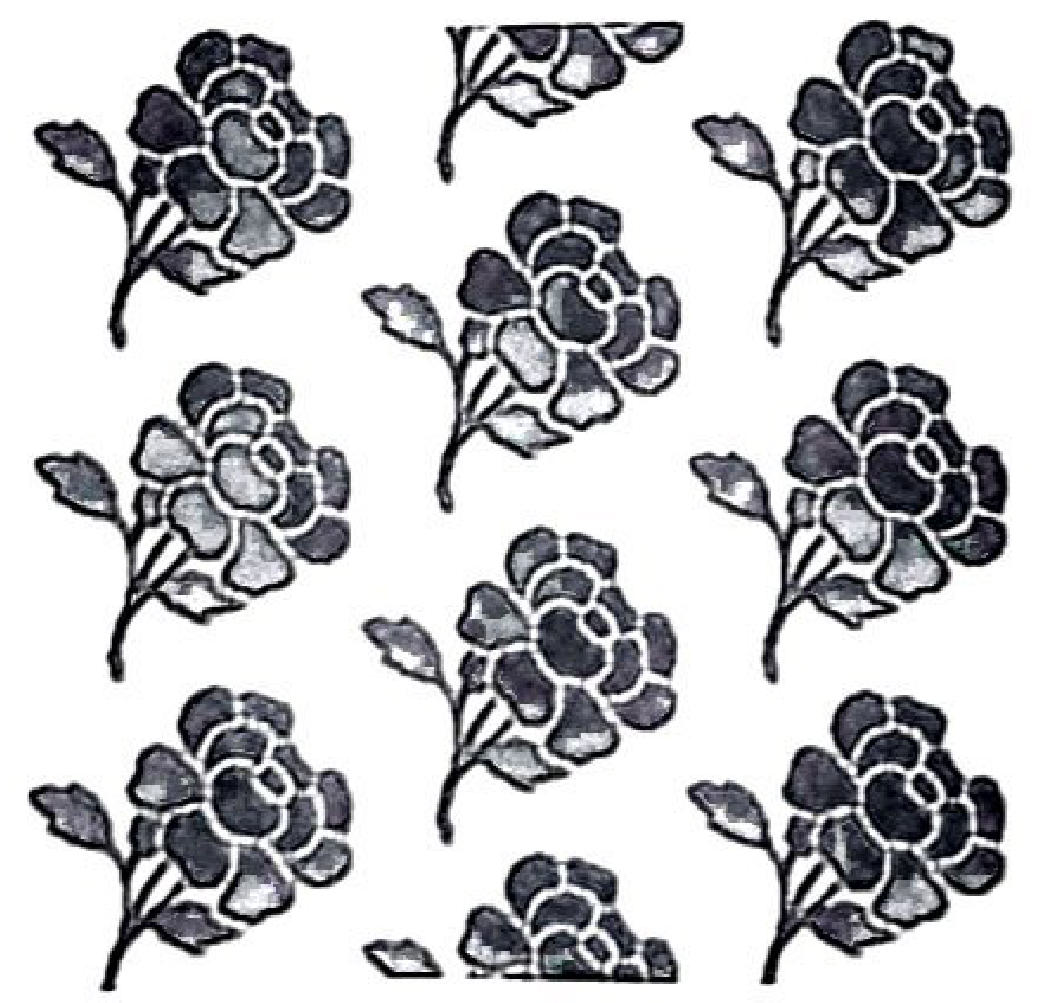
(j) The following illustration represents a repeat pattern. Identify the type of repeat pattern. (1 mark)
Section B (25 marks)
2. Construct the letter K in 3-D. (5 marks)
3. Analyse the following illustrations labelled I, II, III and IV showing a process in fabric decoration.
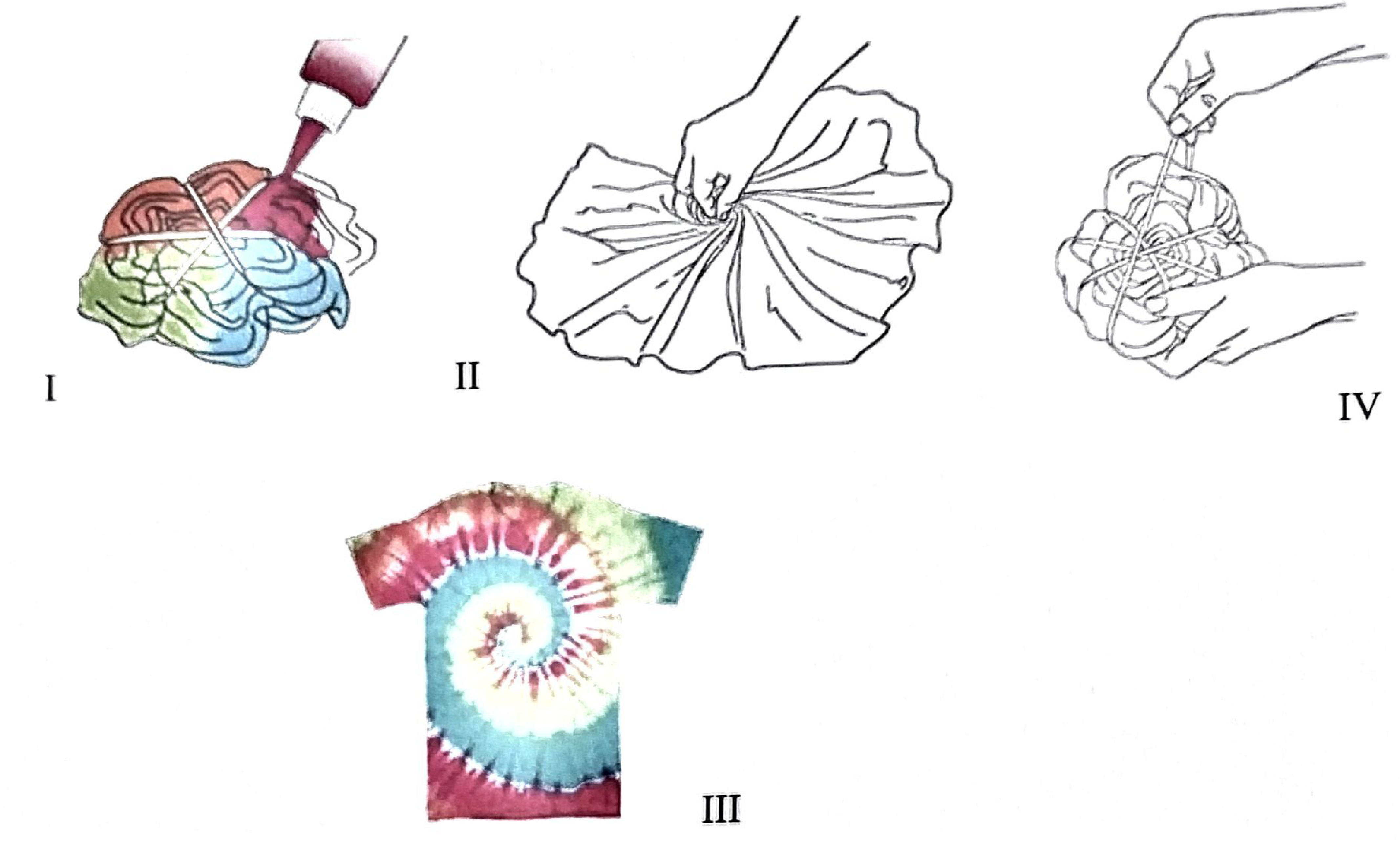
Arrange the illustrations in the correct order, giving a brief explanation for each process. (5 marks)
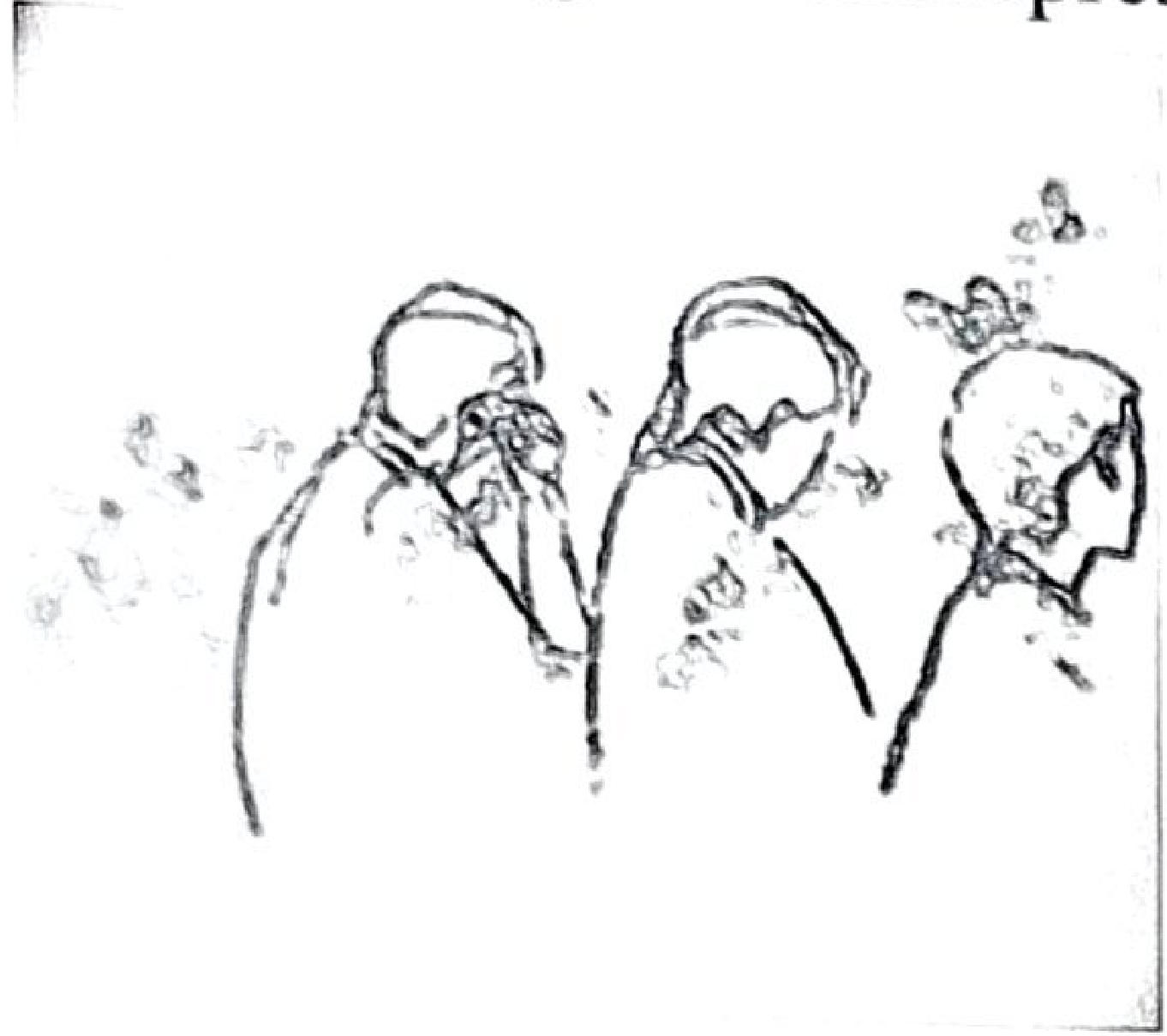
4. The following artwork represents a monoprint. Outline the steps used to create the print. (5 marks)
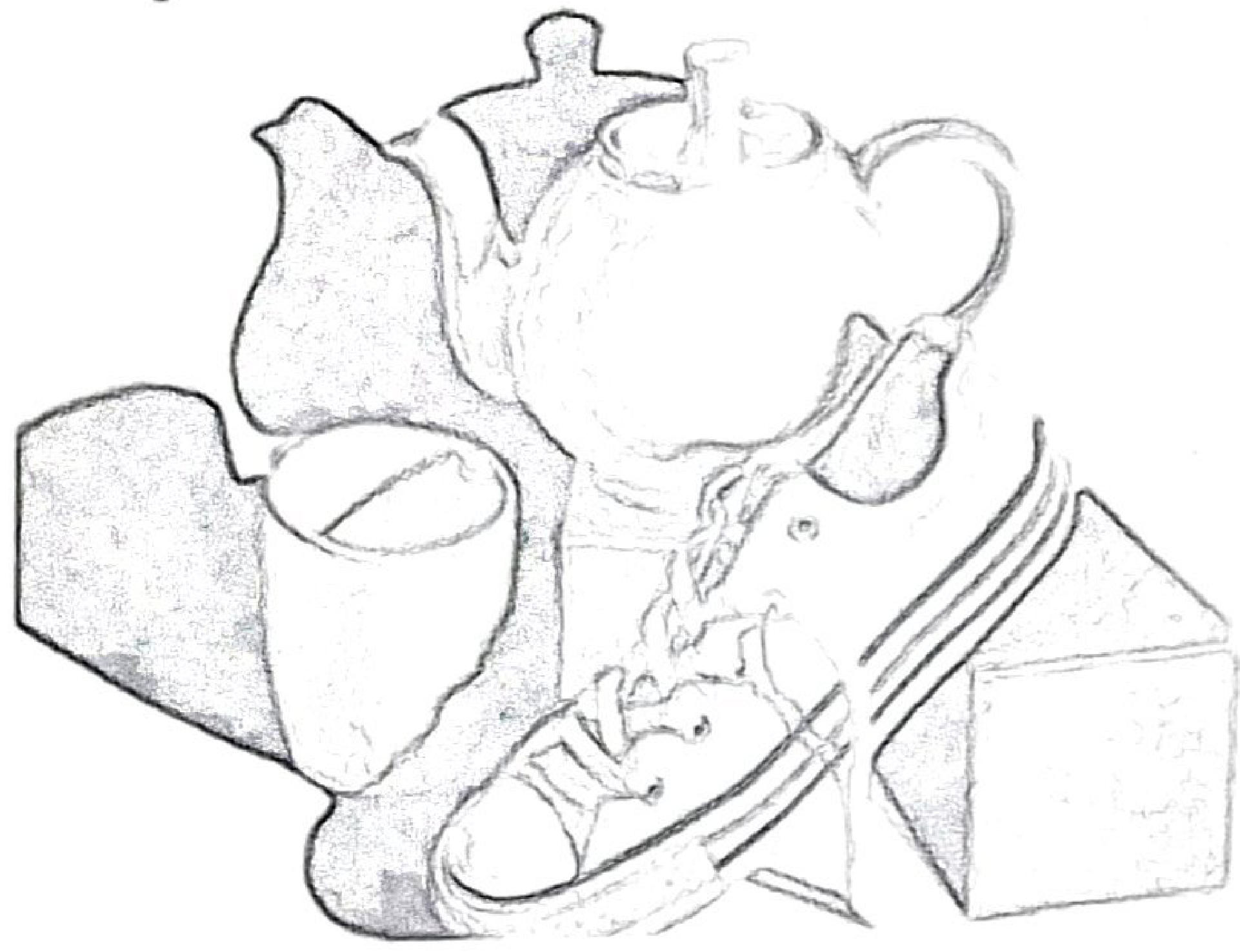
5. Critique the following artwork. (5 marks)
6. Outline the process of preparing a stretched canvas for painting. (5 marks)
Section C (15 marks)
Answer any one question from this section.
7. (a) Describe the following decorating techniques as applied in pottery making: (i) slip trailing; (2 marks) (ii) excising. (2 marks)
(b) Outline the process of making a flower vase using the slab technique with incised decorations. (11 marks)
8. (a) Distinguish between a book cover and a book jacket. (4 marks)
(b) Outline five factors to be considered when designing a book cover. (11 marks)
9. (a) Use the following table to differentiate between binders and solvents used for acrylic and oil paints. (4 marks)
| Acrylic paint | Oil paint | |
|---|---|---|
| Binder | ||
| Solvent |
(b) Analyse the following painting.
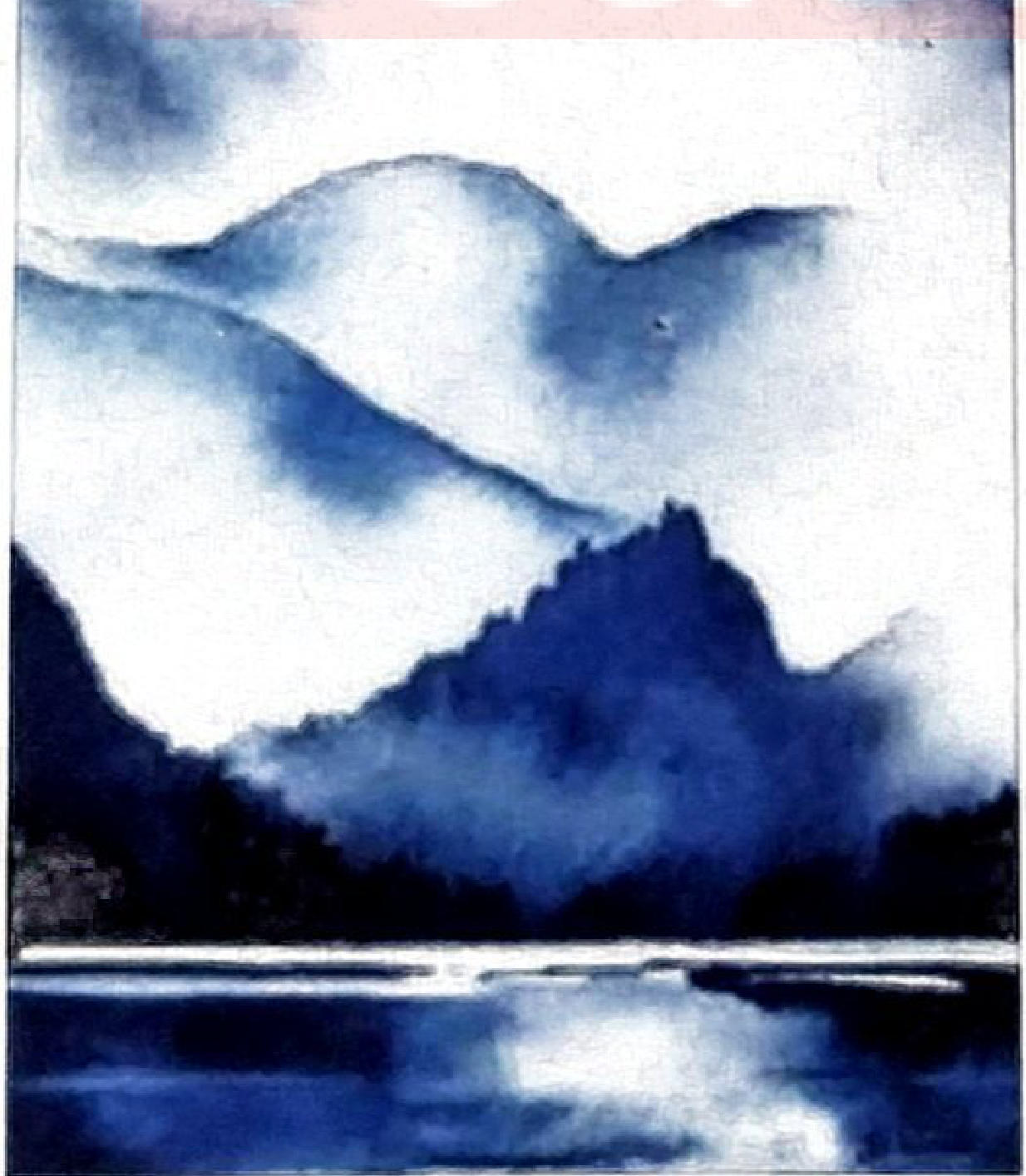
(i) Identify the painting technique used. (2 marks)
(ii) Outline the steps of painting using the dry brush technique on watercolour paper. (9 marks)